

Family-owned roofing company serving the Tri-Valley
Roofing Services for Livermore Homes
Are you planning ahead before an aging roof starts leaking into living spaces or attic insulation? Top Home Roofers helps Livermore homeowners understand whether a targeted repair, complete replacement, or new roofing system is the practical next step.
Livermore roofs face strong inland sun, long dry periods, winter rain, and occasional open-valley wind. The city includes older ranch homes, vineyard-area properties, hillside houses, and newer South Livermore neighborhoods. Each roof should be assessed as a complete system, including the surface material, underlayment, flashing, ventilation, drainage, and visible decking conditions.

Local roofing considerations
What Livermore Weather Can Reveal About an Aging Roof
Damage is not always obvious from the ground. These conditions can help explain why two roofs of a similar age may need different work.
Heat and UV Exposure
Strong summer sun can dry and age roofing materials. Attic ventilation, roof color, and the condition of the underlayment should be reviewed together.
Wind at Open Properties
Homes near open land, hills, and vineyard corridors may experience wind-driven rain or lifted materials around edges, ridges, and penetrations.
Valleys and Drainage
Debris in valleys and gutters can slow drainage during winter storms. Flashing and roof-to-wall connections deserve close attention where water collects.
Older Waterproofing Layers
A roof covering may still look acceptable while the underlayment beneath tile or shingles is becoming brittle, damaged, or less dependable.
Not sure which condition applies to your roof? A site assessment can help narrow down the cause before you commit to a larger project.
Request a Roof AssessmentRoofing help based on the condition of your property
Roofing Services Available in Livermore
We do not begin with the assumption that every roof needs replacement. The right scope depends on where the damage is located, what is happening below the surface, and whether a repair is likely to remain dependable.
For isolated leaks and damaged details
Roof Repair
Repair may be suitable when damage is limited and the surrounding roof still has useful life. We look for likely water paths around flashing, valleys, vents, edges, and roof-to-wall connections.
Learn about roof repair
For recurring leaks or widespread aging
Roof Replacement
Replacement can make more sense when underlayment is failing, leaks keep returning, or deterioration extends across several roof areas. The written scope should explain tear-off, decking, flashing, ventilation, disposal, permits, and cleanup.
Learn about roof replacement
For additions, rebuilds and new construction
Roof Installation
A new roofing system should be planned from the roof deck upward. We consider underlayment, flashing, ventilation, drainage, roof pitch, and a surface material suited to the building.
Learn about roof installation
For active water intrusion and sudden damage
Emergency Roofing Service
Active leaks, missing materials, and storm-related damage should be assessed before the problem spreads. The immediate goal is to identify the source, limit further exposure, and explain the permanent repair that may be needed. If the roof is open, we can also discuss emergency roof tarping and a temporary roof cover until a lasting repair is planned.
Learn about emergency roofing serviceVerified customer feedback
What Customers Say About Top Home Roofers
These reviews are provided through the company’s existing Google review widget.
A practical repair-or-replacement discussion
When Repair May Be Enough—and When It May Not Be
Age alone does not decide the scope. A useful recommendation considers the leak history, the condition below the visible material, the number of problem areas, and how long the proposed work is expected to remain practical.
Material selection for heat, architecture and budget
Roofing Materials for Livermore Properties
The right material depends on more than appearance. Roof pitch, structural capacity, ventilation, maintenance expectations, neighborhood requirements, and project budget all matter.

Practical and widely used
Asphalt Shingles
Asphalt shingles offer a broad range of profiles and colors, and damaged sections can often be repaired more easily than some heavier systems. Product quality, underlayment, ventilation, and installation details influence long-term performance.
- Consider
- Heat exposure, color, ventilation, warranty terms, and future repair matching.
A strong fit for many local architectural styles
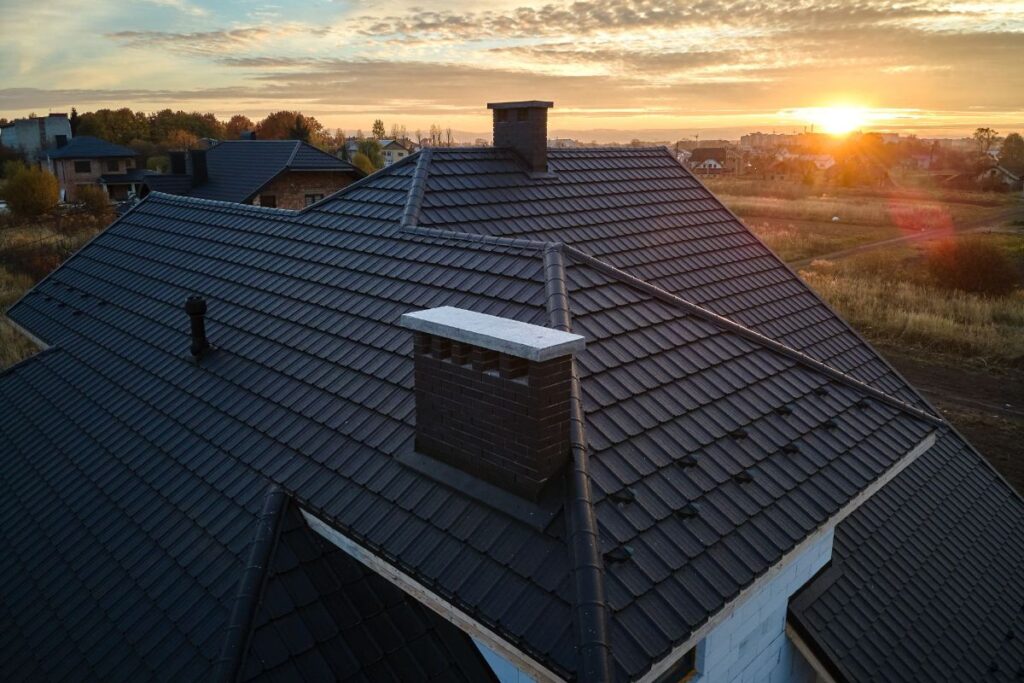
Tile Roofing
Tile can provide lasting curb appeal, but the waterproofing layer below the tile is just as important as the visible surface. Structural capacity, broken-tile access, flashing, and underlayment condition should be evaluated before replacement.
- Consider
- Roof weight, underlayment access, valley details, walkability, and replacement-tile availability.

Waterproofing for low-slope roof sections
Low-Slope Roofing
Some Livermore properties include low-slope additions, patios, or connected roof sections that need a system designed for slower drainage. Membrane selection, edge details, penetrations, and transitions to steeper roofs require careful planning.
- Consider
- Drainage, ponding risk, seams, penetrations, edge metal, and transitions to other roof systems.
Compare the complete scope—not only the total
What a Livermore Roofing Estimate Should Explain
Homeowners comparing Bay Area roofing estimates often focus on permits, insurance, ventilation, and why proposals for similar-sized homes can differ. A clear proposal should make those differences easier to understand without relying on vague allowances.

Project planning before materials arrive
Permits, Energy Requirements and Neighborhood Rules
The City of Livermore handles permits through its online permit system. The exact permit, inspection, and documentation requirements depend on the project scope. California energy-code requirements may also affect some reroofing projects and material selections.
Some neighborhoods or managed communities may require approval for roof color, profile, or material. These items should be confirmed before products are ordered, especially when the existing roof appearance will change.
Review the City of Livermore Permit CenterConfirm the project scope
Repair, overlay, tear-off, structural work, and material changes may involve different requirements.
Review product requirements
Material ratings and documentation should be checked against the applicable project and permit requirements.
Coordinate neighborhood approval
HOA or community standards may affect color, profile, and visible roof details.
Keep closeout records
Permits, inspections, product documents, and the final scope can be useful for future maintenance and property records.
Different roof systems require different details
Examples From the Top Home Roofers Portfolio
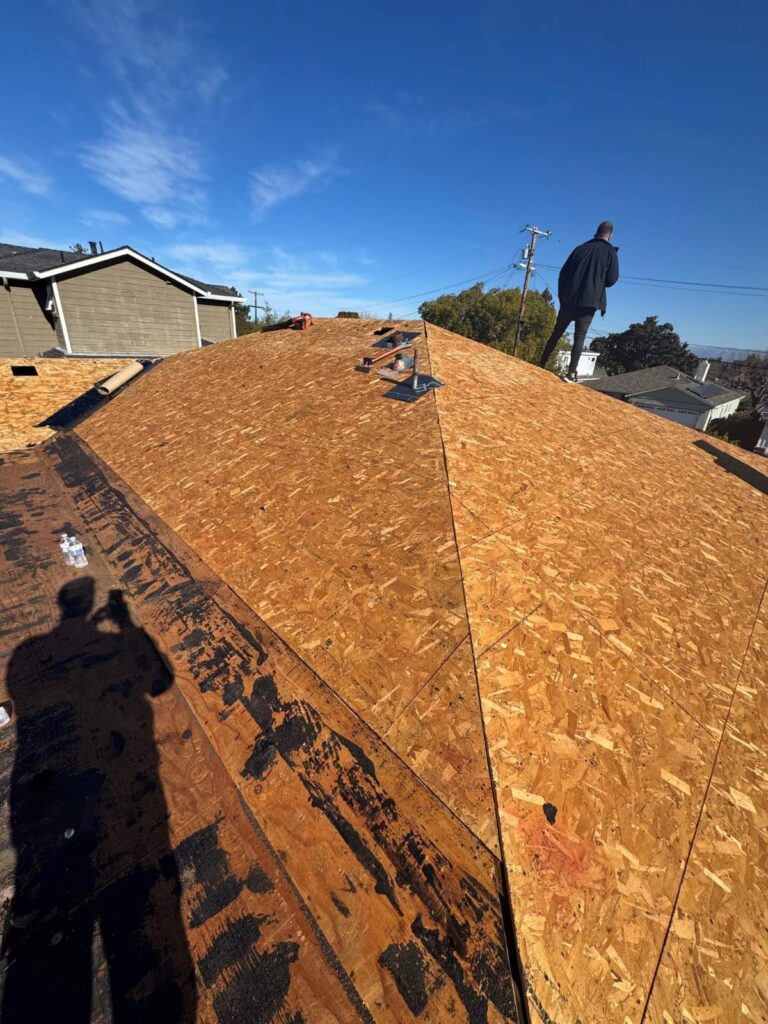
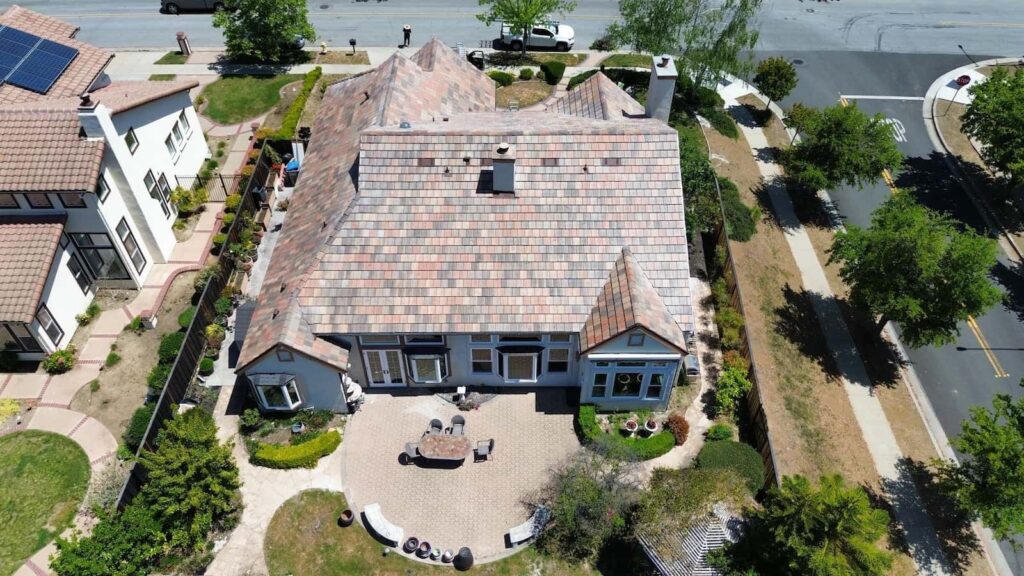
These images show a selection of roofing work from the company portfolio, including low-slope replacement and completed tile roofing. They are not presented as verified Livermore addresses.
A useful project gallery should show more than a finished surface. Removal, waterproofing, flashing, drainage, and the completed system all help homeowners understand the work behind the result.
View More Roofing Projects

Livermore and nearby Tri-Valley service areas
Roofing Support Across Livermore
Top Home Roofers serves homeowners and property owners across Downtown Livermore, South Livermore, Springtown, Granada, North Livermore, the vineyard corridor, the Junction Avenue area, and surrounding neighborhoods.
We also serve nearby communities including Pleasanton, Dublin, and San Ramon. Property access, roof type, and scheduling are reviewed before a site visit is confirmed.
Plan the next step with a clear scope
Request a Roofing Estimate in Livermore
Tell us what you have noticed, when the issue started, and whether water is entering the home. We can arrange an assessment and explain the repair or replacement options that fit the visible condition.
Common planning questions
Frequently Asked Questions
How do I know whether my Livermore roof needs repair or replacement?
Repair may be practical when damage is limited and the surrounding roof remains serviceable. Replacement may be more appropriate when leaks recur, underlayment is broadly deteriorated, materials are brittle, or several sections need work. An assessment should explain the evidence behind the recommendation.
Does a roof replacement in Livermore require a permit?
Many roofing projects require city permits and inspections, but the exact requirements depend on the scope. The City of Livermore processes permits online. Permit responsibility and expected inspection stages should be identified in the written proposal.
How does Livermore summer heat affect a roof?
Strong sun and high attic temperatures can contribute to material aging and indoor heat buildup. Roofing material, color, underlayment, insulation, and balanced attic ventilation should be considered together rather than treating ventilation as a separate afterthought.
Is tile roofing a good option for Livermore homes?
Tile can suit many local architectural styles and may provide a long service life. The roof structure must support the weight, and the underlayment, flashing, valleys, and broken-tile access should be reviewed before choosing repair or replacement.
What should be included in a roofing estimate?
A useful estimate should explain removal, disposal, decking allowances, underlayment, flashing, ventilation, materials, permit responsibility, inspections, cleanup, and project closeout. It should also state which conditions may change the final scope.
How long does a residential roof replacement usually take?
Many residential replacements are completed within several working days, but roof size, material, access, weather, permit inspections, and hidden decking damage can change the schedule. A project-specific timeline should be provided after the roof is assessed.