
TOP HOME ROOFERS · SAN JOSE
Plan metal roofing with Top Home Roofers
Our San Jose team helps you compare metal roofing systems and define the work behind the quote. We review the existing roof, explain the proposed scope and discuss preparation, materials and access. Your designated contact keeps you informed as the approved work progresses.
A metal roofing estimate should be easy to discuss before you choose a finish. Bring your questions about the panel profile, existing roof removal and details around skylights or chimneys. We explain our proposed scope so the material choice and the installation plan can be considered together.
Roof replacement work by our San Jose team
This asphalt-shingle project shows our team’s roof preparation and finished work.


The exposed-deck view and finished shingles show two stages of this San Jose roof replacement. Preparation makes it possible to review the supporting wood before the new covering goes on. Our portfolio includes more views of the team’s reroofing work.
On your metal roofing proposal, ask how existing roofing will be removed and how the supporting deck will be reviewed. The chosen metal assembly then needs its own product-specific layout, attachment and flashing details. Keep those requirements alongside the preparation work when comparing estimates.
The panel is only part of the system
Standing-seam roofing joins panels along raised seams. The attachment and seam details vary by product, so the chosen system needs to suit the roof's slope and shape. A simple roof and one with several valleys, dormers or skylights will need different planning.
Metal also expands and contracts as temperatures change. MBCI's technical guidance explains how standing-seam designs accommodate that movement. Clips, fixed points and flashing connections need to follow the selected system's requirements. The important question is how the whole assembly will work on your home.
Roof geometry
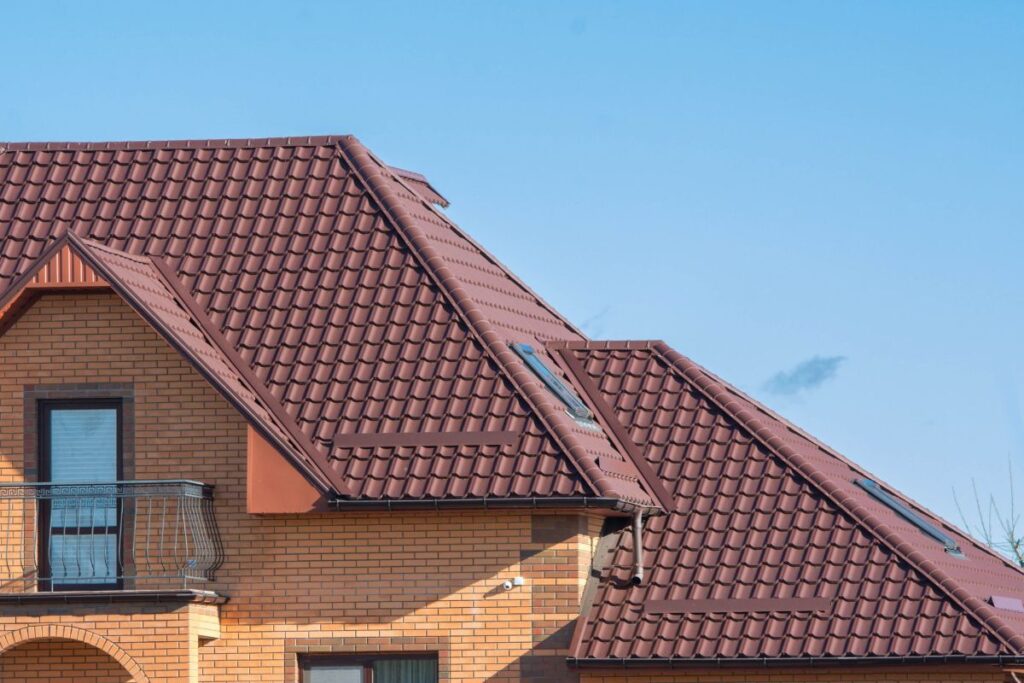
Panel lengths, valleys and changes in pitch influence the layout. Check suitability before settling on the panel profile.
Penetrations and edges
Vents, chimneys, skylights and roof edges need planned flashing details. Include these in the scope from the start.
The supporting roof
The deck and underlayment need review alongside the new covering. Removing old roofing may reveal repairs that affect the work.
Compare the details before the price
Two metal roofing quotes can describe very different installations. One may include removing old roofing, renewing flashing and repairing the deck; another may leave some of that work outside the price. Ask for the proposed panel system and included work to be identified clearly.
Top Home Roofers' replacement process starts with assessment and a written scope. If you are still choosing a material, our metal versus asphalt guide can help frame the comparison. Use your actual roof and proposed specifications to make the final decision.
- Panels and finish: profile, material, coating and color selection.
- Assembly details: underlayment, attachment, seams, valleys and penetrations.
- Existing roof: removal, disposal and the process for approving concealed repairs.
- Project planning: permit requirements, property protection, access and cleanup.
Replacing an existing metal roof
A leak does not always identify a failed panel. Seams, penetrations, flashing and attachments all deserve inspection before the scope is settled. A targeted roof repair may be possible when the defect is limited and compatible repair materials are available.
For broader replacement, the assessment needs to address why the existing system is having problems. Copying the old layout without reviewing movement and water-management details can leave important questions unanswered. The proposed work should explain which roof areas and connections will change.
Changing from another material also requires planning around removal, the existing deck and applicable permit requirements. Discuss these items before agreeing to a panel selection or an installation schedule.
Plan access and preparation in San Jose
Material handling matters on a metal roof project. Discuss access around the home, delivery space and the route for removing old roofing. Long panels and detailed roof junctions can affect the work sequence, so timing should be based on your roof rather than a generic promise.

Plan the details before ordering the panels
Review the roof shape and existing conditions
Start with the slopes, valleys, penetrations and material already on the roof. Tell us about recurring leaks and future work that may affect the roof. These details help frame the suitability discussion before a panel profile or finish is chosen.
Confirm the proposed system and scope
Ask for the metal product, underlayment, attachment and flashing work to be identified. Discuss removal, disposal and the process for approving concealed deck repairs. Product and installation warranty documents should be reviewed for the exact assembly being proposed, with their conditions kept separate.
Arrange delivery, access and communication
Long panels and roof geometry can affect material handling. Review access, delivery space and property protection with the team, then confirm how project updates and closeout will be handled. The installation sequence should reflect the actual roof and approved scope.
Metal roofing questions
Is standing seam suitable for every roof?
No single profile suits every roof. Pitch, panel length, geometry and the manufacturer's requirements all matter. Suitability should be checked before the product is selected.
Does a metal roof need maintenance?
It still needs attention. Roof penetrations, drainage routes, flashing and surface condition should be reviewed as appropriate for the system. Follow the selected manufacturer's care instructions.
What warranty comes with the roof?
Ask for the written terms for the exact products and installation being proposed. Material or finish coverage and installation coverage can have different conditions. Compare those documents with the scope before you commit.
Can I choose the metal roof color before the assessment?
You can bring preferred colors or reference images to the conversation. Final selection should follow confirmation of the suitable panel system, available finishes and roof details. Color is one part of the choice; it does not establish that a particular product fits the roof.
What should I compare between standing-seam estimates?
Compare the named panel system, finish, removal scope, underlayment, attachment and flashing details. Check how decking repairs, permits, disposal and cleanup are handled. Written warranty terms also matter. Similar-looking panels can be part of proposals with different installation work.