

Roofing company serving Santa Clara, CA
Roofing Help for Santa Clara Homes, From Old Quad to Rivermark
Choosing a roofing company in Santa Clara, CA should begin with the actual roof condition—not a standard replacement pitch. Top Home Roofers helps homeowners evaluate active leaks, aging materials, flashing, valleys, underlayment, ventilation, gutters, and low-slope sections before recommending a practical scope.
Santa Clara includes older central homes near Old Quad, postwar ranch properties around Central Park, townhomes and planned communities in Rivermark, and newer housing near Agnew and Northside. Strong summer sun can accelerate surface aging, while seasonal rain exposes weak flashing and drainage. Mature trees, skylights, solar arrays, compact side yards, and shared roof sections can also influence inspection and project planning.


Start with the right scope
Repair, Replace, or Plan Ahead?
A useful roof estimate explains what is failing, what remains serviceable, and how each option affects long-term maintenance. The goal is not to replace a roof that can be responsibly repaired—or keep patching a system with widespread failure.
Repair the isolated problem
A repair may be appropriate when damage is limited, the surrounding roofing remains flexible and secure, and the deck and underlayment are usable. Examples include a localized flashing leak, a small damaged shingle area, or a gutter-to-roof transition that needs correction.
Replace a failing roof system
Replacement is more practical when leaks appear in several areas, materials are brittle or heavily worn, underlayment has deteriorated, or repeated patches no longer address the source. A complete scope also allows flashing, valleys, ventilation, and damaged decking to be corrected together.
Plan before the next rainy season
Some roofs are not emergencies but are close enough to the end of service life that planning is wise. An inspection can help compare materials, permit timing, HOA steps, solar coordination, access, and likely deck repairs before scheduling becomes urgent.
For a deeper comparison, review how to decide between roof repair and replacement.

Santa Clara roof conditions
Where Local Roof Problems Commonly Begin
Roof failures usually develop where water, heat, debris, or construction details concentrate stress—not across the middle of a simple open roof plane.
Leaves and sediment can slow drainage where roof planes meet. Valleys should be checked for damaged material, open seams, and underlayment concerns.
Skylights, plumbing vents, walls, and other penetrations depend on properly integrated flashing rather than surface sealant alone.
Blocked or undersized drainage can stain fascia, soak roof edges, and send water toward foundations, entries, or adjoining properties.
Rear additions, patio roofs, and transitions to lower pitches need materials and drainage details suited to slower water movement.
Strong summer exposure can accelerate aging when attic airflow is restricted or intake and exhaust ventilation are not balanced.
Townhome rooflines, solar mounts, narrow side yards, and limited staging space can affect assessment, protection, and project logistics.
Roofing help based on the condition of your home
Roofing Services Available in Santa Clara
We do not begin with the assumption that every roof needs replacement. The right scope depends on the location of the damage, the age of the system, the condition beneath the surface, and how long a repair is likely to remain practical.

Roof Repair
Repair work can address isolated leaks, damaged shingles, flashing defects, small areas of underlayment exposure, and roof-edge problems when the surrounding system remains serviceable. Water staining inside the home may be displaced from the entry point, so careful diagnosis matters.
Learn about roof repair
Roof Replacement
A replacement scope can include tear-off, deck evaluation, necessary sheathing repairs, underlayment, flashing, ventilation details, roofing material, cleanup, and required inspections. Solar equipment, skylights, gutters, attached low-slope sections, and HOA requirements should be considered before work begins.
Learn about roof replacement
Roof Installation
New additions and rebuilt sections need coordinated deck preparation, underlayment, edge metal, flashing, ventilation, and a finish material suited to the pitch. Installation details should align with existing walls, gutters, drainage paths, skylights, and adjoining roof planes.
Learn about roof installation
Emergency Roofing Service
Active water entry, wind-opened areas, fallen debris, or missing roofing should be assessed promptly to limit additional damage. Temporary stabilization may be needed before a permanent repair can be completed safely. Availability depends on current scheduling and site conditions. If the roof is open, we can also discuss emergency roof tarping and a temporary roof cover until a lasting repair is planned.
Learn about emergency roofing serviceCustomer feedback
Verified Google Reviews for Top Home Roofers
Review recent customer experiences with communication, estimates, jobsite care, and completed roofing work.
Material guidance
Match the Roofing System to the Home
Material selection should account for roof pitch, structural capacity, neighborhood character, maintenance expectations, solar exposure, low-slope transitions, and existing details. Appearance matters, but the deck, underlayment, flashing, ventilation, and drainage plan are equally important.
Asphalt Shingles
A practical choice for many Santa Clara ranch and tract homes. Architectural shingles offer varied profiles and can suit many sloped residential roof designs.
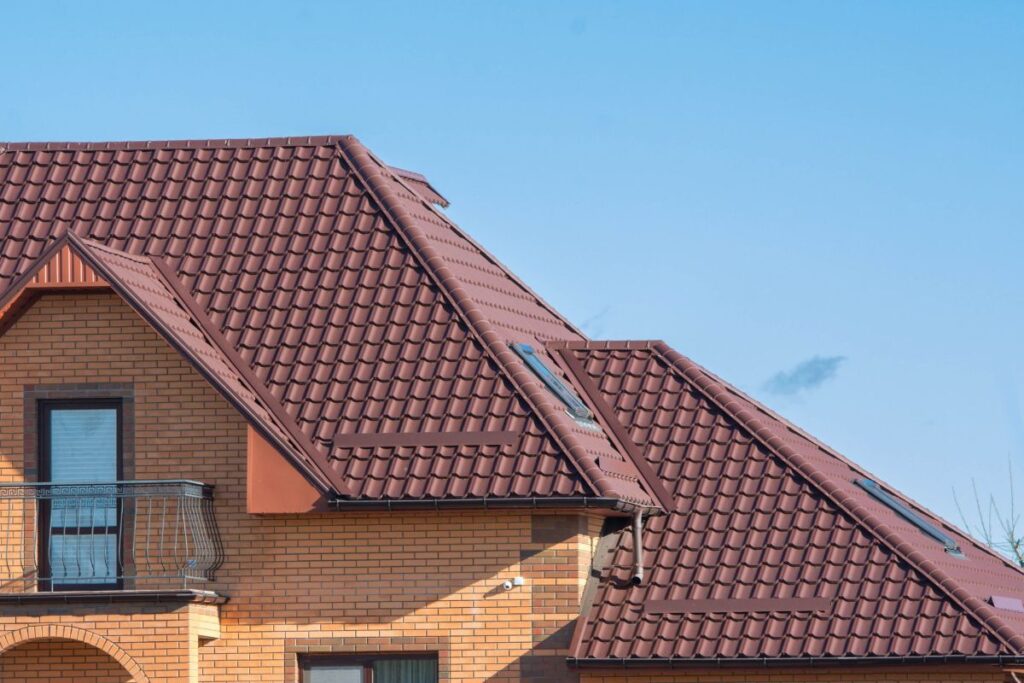
Concrete or Clay Tile
Tile can complement selected architectural styles, but roof structure, flashing details, breakage, weight, and the underlayment beneath the tile must be evaluated.
Metal Roofing
Metal may suit certain designs and long-term maintenance goals. Panel profile, attachment method, flashing, expansion, sound, and roof geometry affect the recommendation.
Low-Slope Systems
Modified bitumen and other appropriate systems may be used for additions, patios, garages, and flatter sections where standard shingles are not suitable.
Energy and cool-roof requirements are project-specific. They can depend on the work scope, roof type, applicable climate zone, building use, and the code in effect when the permit is reviewed. Material selection should be confirmed against current permit requirements rather than treated as a blanket rule.
Homeowners comparing common options can also read metal versus asphalt roofing.
Estimate planning
What Affects a Santa Clara Roofing Estimate?
A useful estimate explains the measured scope and its assumptions. The final price is shaped by more than the visible finish material.
Area, pitch, and complexity
Multiple levels, valleys, dormers, intersecting planes, and low-slope transitions require more setup, cutting, safety planning, and detail work.
Tear-off and material layers
The number and type of existing layers, disposal volume, tile handling, and material weight affect labor and project logistics.
Decking and wood repairs
Soft, delaminated, or damaged sheathing may only become visible after tear-off. Estimates should explain how discovered repairs are documented and priced.
Flashing, skylights, and solar
Skylights, vents, walls, plumbing penetrations, solar mounts, chimneys, and unusual transitions add detail-specific work.
Access, shared roofs, and HOA steps
Compact lots, townhome conditions, landscaping, parking, staging space, and association requirements can affect planning and sequencing.
Ventilation and drainage
Attic airflow, gutters, downspouts, roof edges, valleys, and low-slope areas should be included when they affect the recommended scope.
Official local requirements
Santa Clara Reroof Permit and Project Planning
The City of Santa Clara lists limited, like-for-like residential reroofing without structural work as a Building Simple Permit for eligible single-family homes, duplexes, and ADUs. Townhomes, apartment complexes, condos, historic areas, properties with active code enforcement cases, and properties with other parcel conditions are not eligible for this simplified route.
Eligible applications are submitted through the City’s online portal and may be approved automatically or reviewed, typically within one to two business days. The approved scope must be followed, required inspections must be scheduled, and a final inspection is needed to close the permit.
Review the City of Santa Clara Building Simple Permit requirements.

Santa Clara service area
Roofing Across Santa Clara’s Neighborhoods
Top Home Roofers serves Santa Clara properties without claiming a separate office or city-based crew. Home age, shared roof conditions, tree cover, solar equipment, drainage, and access can vary considerably from one neighborhood to another.
Plan the next step
Need a Clear Roofing Plan for Your Santa Clara Home?
Request an estimate to review roof condition, repair-versus-replacement options, materials, access, HOA coordination, permit considerations, and the details that may affect the final scope.
Questions from homeowners
Frequently Asked Questions
How do I know whether my Santa Clara roof needs repair or replacement?
What roofing materials work well for Santa Clara homes?
Does a reroof project require a City of Santa Clara permit?
What roof problems are common in Santa Clara?
What should be included in a Santa Clara roof estimate?
Can Top Home Roofers help with an active roof leak in Santa Clara?
A real project sequence from our roofing portfolio
From Roof Preparation to Finished Installation
This project sequence shows several stages of residential roofing work completed within the company’s service area. It is presented as portfolio work and is not identified as a Santa Clara address.


